While gratitude is often encouraged, mental health struggles like anxiety and depression can make positivity feel out of reach—especially during stressful times or holidays. If you or your child are struggling, practicing gratitude through daily actions, words, and habits can help you focus on the parts of life that matter most. While not a cure, research confirms gratitude improves mood, strengthens social bonds, and enhances physical health.
Research shows that even small acts of gratitude can have a big impact. Writing down what you’re grateful for can lead to increased physical activity and fewer doctor visits. Sharing a gratitude letter with someone can even boost your health and happiness for an entire month. Additionally, thankfulness predicts a significantly lower risk of major depression, anxiety disorders, phobias, and substance abuse.
Family Gratitude Activities
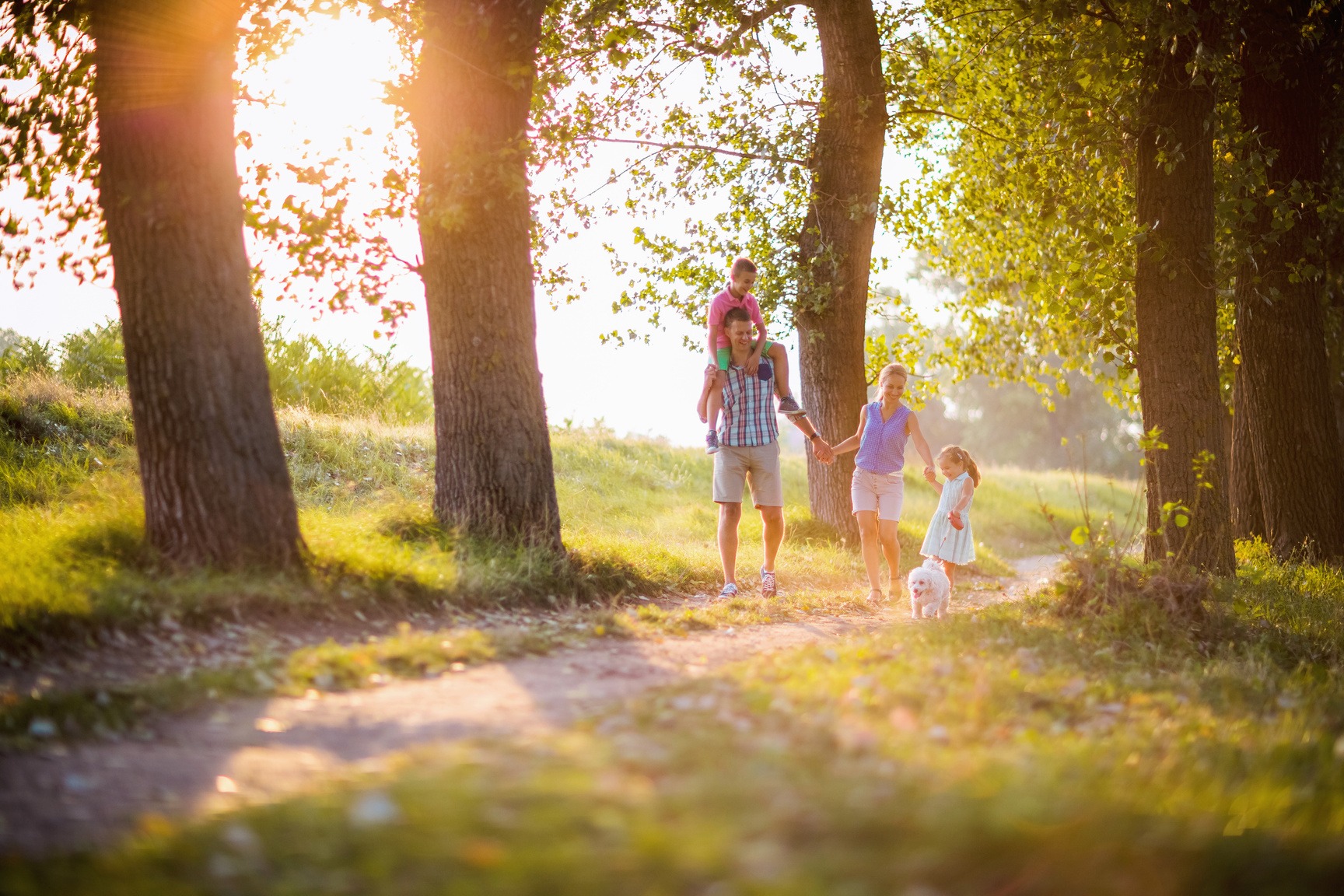
Start a new family tradition: We often go around the dinner table on Thanksgiving and say things that we are grateful for. Don’t limit this to one day a year! It can be something to do daily or weekly.
Play gratitude “20 questions”! Have people choose something they are grateful for that others can guess.
Create a family gratitude journal that everyone can add their thoughts.
Gratitude is so empowering for individuals and families. Don’t be hesitant to share the gratitude practices that have worked for you with your friends and extended family.
Gratitude Practices
Here are some things you can do daily to practice gratitude:
Write down something you are grateful for daily, it can look as simple as, “I’m thankful I woke up today.”
Write a gratitude letter to someone. That someone can even be yourself!
If you’re short on time, mentally thank someone! It can help to just think about someone that has done something nice for you.
Meditate while focusing on things you’re grateful for.
Pause when you notice something you love and reflect on why you’re grateful.
Say “thank you” more often, especially to the people you love.
Learn More: Take Our No-Cost Course
Learn how you can overcome negative thinking and build lasting habits for everyday happiness.
The mental health benefits of gratitude. Nationwide Children’s Hospital. (2020, May 3). Retrieved September 22, 2021, from https://www.nationwidechildrens.org/family-resources-education/700childrens/2020/05/gratitude.
Giving thanks can make you happier. Harvard Health. (2021, August 14). Retrieved September 22, 2021, from https://www.health.harvard.edu/healthbeat/giving-thanks-can-make-you-happier.
Greenstein, L. (2016, September 23). When looking for happiness, find gratitude. NAMI. Retrieved September 22, 2021, from https://www.nami.org/Blogs/NAMI-Blog/September-2016/When-Looking-for-Happiness-Find-Gratitude.
Smith, J. A. (2013, November 20). Six habits of highly grateful people. Greater Good. Retrieved September 22, 2021, from https://greatergood.berkeley.edu/article/item/six_habits_of_highly_grateful_people.